Okay, so I’m thinking of buying a BMW X5. I’ve heard it’s a great SUV, but I’m not entirely sure what makes it stand out compared to other luxury SUVs like the Mercedes-Benz GLC or Audi Q7. Let me try to break this down.
First, I know that BMW is known for its driving dynamics and precision engineering. The X5 probably has a reputation for being sporty, which might be better if I want a more engaging drive. But then again, some people prefer the comfort of Mercedes-Benz or Audi. I should consider how important handling is to me versus comfort.
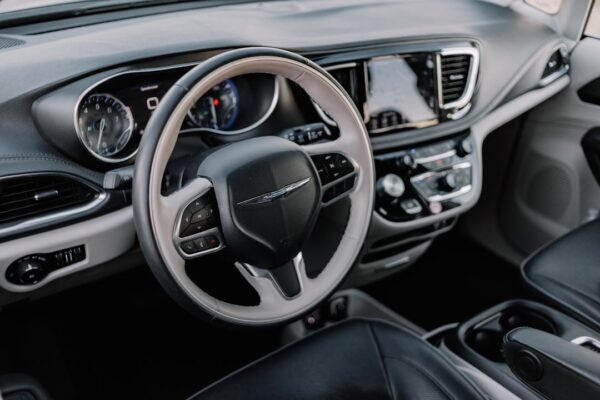
Next, interior quality. BMWs are usually top-notch in terms of materials and build quality. The X5’s cabin likely feels premium with real leather and wood accents. But maybe it’s a bit on the colder side compared to Mercedes, which I’ve heard has a cozier feel. If I spend a lot of time in the car, that might matter.
Technology is another big factor. BMWs have their iDrive system, which I think is pretty user-friendly but can be a bit complicated with all the buttons. Apple CarPlay and Android Auto are standard now, so connectivity shouldn’t be an issue. But sometimes BMW’s infotainment systems lag compared to others like Audi’s MMI or Mercedes’ MBUX. I should check if that’s still the case.
Space is important too. The X5 is mid-size, but does it have enough room for my family? I’ve heard the back seats are comfortable, but legroom might be tight compared to larger SUVs like the Volvo XC90 or Tesla Model Y. Also, cargo space is something to consider if I do a lot of groceries or outdoor activities.
Reliability and maintenance costs are concerns as well. BMWs can be expensive to maintain because parts aren’t always as readily available as in more mainstream brands. Plus, some models have had issues with things like water leaks or electronic problems. I should look into the specific model year’s reliability reports before making a decision.
Resale value is another point. BMWs are known for holding their value well, which could be beneficial if I plan to sell it later. But sometimes newer brands or models might offer better depreciation rates. I need to compare resale values of similar cars over the years.
Safety features are crucial. The X5 probably has a good set of advanced driver-assistance systems, but I should check if they’re up-to-date with the latest tech like adaptive cruise control or automated emergency braking. Also, crash test ratings from agencies like NHTSA would give me an idea about overall safety.
Cost is always a big factor. The base model might be affordable, but adding options can quickly increase the price. I need to balance what features are essential versus what’s just nice-to-have. Maybe getting a well-equipped version without going overboard on luxury packages.
I’m also thinking about electric models since I want to reduce my environmental impact. BMW has the iX5 in development, but it’s not yet available. The current X5 does have hybrid options, which might be a good middle ground if I don’t need full EV range.
Lastly, test driving is essential. Even with all this research, nothing beats actually sitting in the driver’s seat and feeling how the car handles. It can also help me decide on the interior layout and comfort during longer trips.
Putting it all together, the BMW X5 seems like a strong contender if I prioritize driving dynamics and premium features but might not be the best choice if I need more space or prefer a cozier cabin feel. I’ll have to weigh these factors against my personal needs and preferences.
**Final Considerations for Purchasing a BMW X5**
1. **Driving Dynamics vs. Comfort**: The BMW X5 is renowned for its sporty handling and precision engineering, making it ideal if you prioritize an engaging drive. However, consider whether you prefer comfort over performance, as competitors like Mercedes-Benz GLC or Audi Q7 may offer a smoother ride.
2. **Interior Quality**: Expect premium materials with real leather and wood accents in the X5’s cabin. While luxurious, note that BMW interiors can feel colder compared to Mercedes’ cozier ambiance, which might affect long-term comfort.
3. **Technology**: The iDrive system is user-friendly but may be complex due to numerous buttons. Ensure connectivity with Apple CarPlay and Android Auto. Compare with Audi’s MMI or Mercedes’ MBUX for potential lag issues in the infotainment system.
4. **Space Considerations**: As a mid-size SUV, the X5 offers comfortable back seats but may have limited legroom compared to larger models like Volvo XC90 or Tesla Model Y. Check cargo space if you need it for practical purposes.
5. **Reliability and Maintenance**: BMWs can be costly to maintain due to less readily available parts. Investigate reliability reports for specific model years to avoid unexpected expenses.
6. **Resale Value**: BMWs generally hold their value well, which is beneficial for future resale. Compare with similar models from other brands for potential better depreciation rates.
7. **Safety Features**: Ensure the X5 has up-to-date advanced driver-assistance systems and check crash test ratings from agencies like NHTSA to assess overall safety.
8. **Cost Management**: Balance essential features against luxury options to avoid excessive pricing. Consider a well-equipped model without overpacking on expensive add-ons.
9. **Electric Options**: The iX5 is pending release, but the current X5 offers hybrid models as an eco-friendly alternative if you prefer reducing environmental impact without full EV capabilities.
10. **Test Drive Essential**: Schedule a test drive to experience handling and comfort firsthand, aiding in decisions about interior layout and suitability for long trips.
In conclusion, the BMW X5 is a strong contender if you value driving dynamics and premium features but may not be ideal if more space or a cozier cabin is essential. Weigh these factors against your personal needs and preferences before making a decision.